
Does a Green Certificate add Value to a Phuket Home?
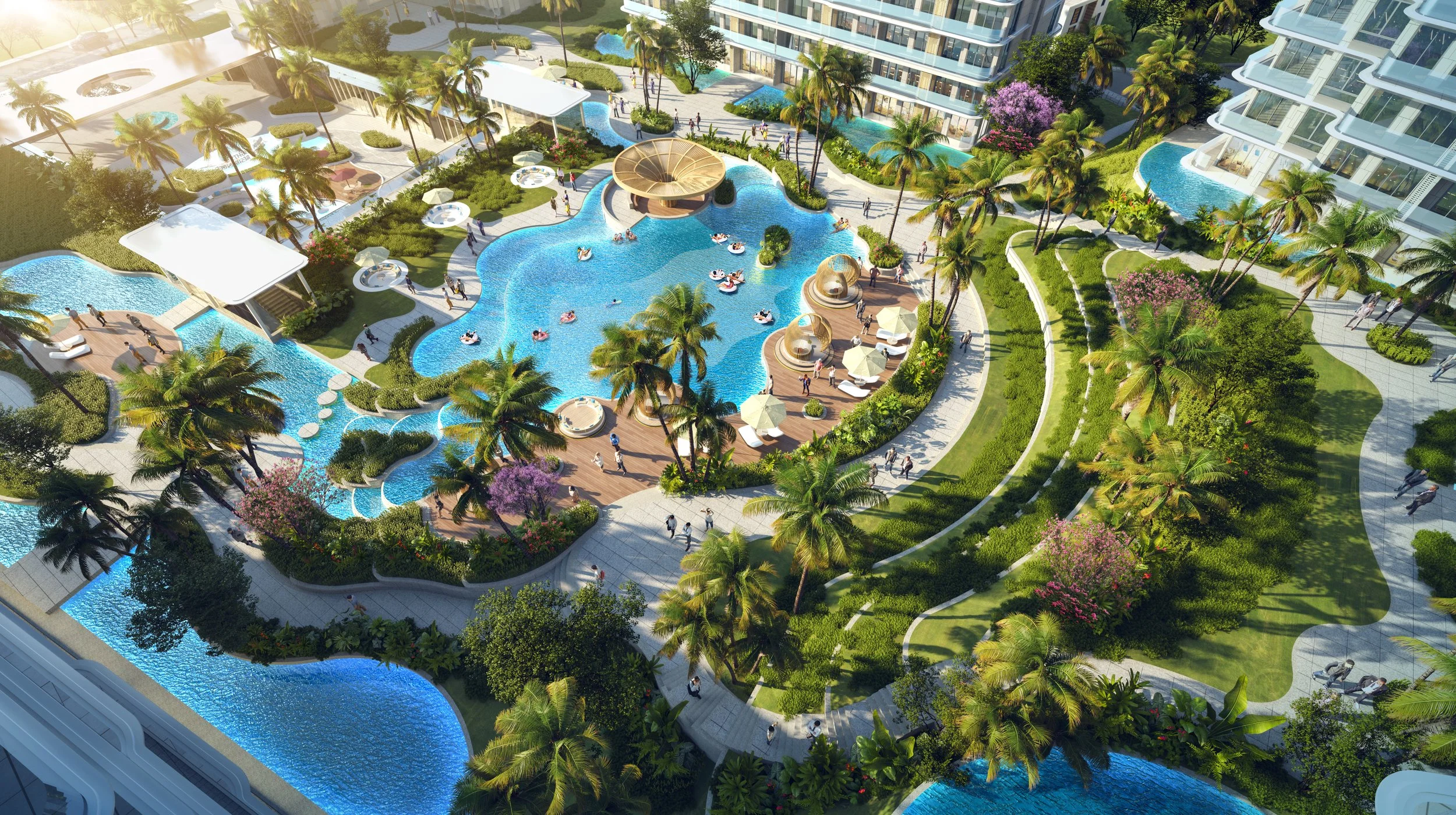
Many Phuket developments now describe themselves as “green”. Some hold an official green certificate and some simply use the word in their marketing. If you are buying or investing, the practical question is whether a certificate is worth caring about.What a green certificate actually is
Think of it as an independent inspection of the building’s design. An outside body checks that the property is planned to use less electricity, less water and fewer building materials than a typical local building. For homes, one of the most common versions is called EDGE, which requires at least 20% savings in each of those three areas. You can read the standard’s requirements here.Does it make a property worth more?
Possibly but nobody can promise it. A review of 42 studies found certified properties earned about 6% more in rent and sold for about 7.6% more on average. The World Green Building Council reports rent premiums of up to 11% across Asia Pacific.There are two catches. Much of this research covers office buildings in cities like Singapore and Hong Kong, not holiday homes. And CBRE has found the extra value shrinks as more buildings become certified. We found no study measuring the effect on Phuket homes, so be wary of anyone quoting a precise figure for the island.Where it more clearly pays: bills and water
A building designed to use less energy and water costs less to run. That matters to owners who rent out their property and pay the bills year-round. Some residential projects have recouped their utility savings within two to three years, according to one consultancy citing World Bank Group data.Water is a real Phuket issue. In March 2026, officials said the island’s raw water reserves would last about 100 days if dry weather continued, because the island’s mountainous terrain makes water hard to store. A home built to use less water has a practical advantage.Developers pay for this. Knight Frank Thailand estimates the extra construction cost at roughly 2% to 10%, which can feed into prices.Easier financing
Thailand now has an official system for classifying which activities count as green and since May 2025, it includes construction and real estate. Krungsri Research explains that holding a recognised certificate can help a building qualify. In practice, certified projects may find it easier to access green loans, which can support the developer and, in time, buyers.Three questions to ask before you buy
Is the certificate preliminary or final? A preliminary one is issued on the plans. A final one is issued after the building is finished.What level is it? Ask for the certificate itself, not just the logo.Can the savings be measured? Ask for expected or actual electricity and water figures.
The bottom line
A green certificate is most useful as proof of lower running costs and water use. A higher resale price is possible but not guaranteed, so don’t pay extra for a label alone. The strongest position is a project with a final certificate and figures you can check.Interested in AYANA Properties? Call +66 0909 258 666 and one of our sales consultants will be happy to assist you.Sources:
Emerald, Green building certification and drivers of green premiums: a meta-regression analysis on global housing market (covers 42 studies)
World Green Building Council, Asia Pacific report “A Changing Business Case” (July 2025)
CBRE, Decarbonising Asia Pacific’s Office Buildings (March 2025)
Knight Frank Thailand, If choosing one green building certification, should it be LEED, TREES, or EDGE? (May 2026)
Green Design Consulting, Can Green Buildings Still Compete When Construction Costs Are Under Pressure? (cites World Bank Group EDGE data)
EDGE Buildings, EDGE certification pricing and process
Krungsri Research, Decoding the Thailand Taxonomy
Bank of Thailand, Thailand Taxonomy: Construction and Real Estate sector deep dive (June 2025)
The Nation via Asia News Network, Phuket faces 100-day water countdown if dry weather persists (March 2026)
